


Categoria: #non-categorizzato
Categoria: #non-categorizzato
-

X-Threat: the existential risk — The alphabet of AI rhetoric: Part 2
The concept of AI-related "existential risk" refers to the possibility of AI development leading to catastrophic consequences for humanity, including possible human extinction. Among the main scenarios feared are hostile superintelligence, military use of AI, and increased inequalities. Figures such as Nick Bostrom, Elon Musk, and Stephen Hawking have expressed concerns about these risks. The…
-
What can be said about “algorethics”? A critique
Algorethics, a term coined by the philosopher Luigi Lombardi Vallauri in 2017, concerns the ethics of algorithms, both biological and non-biological. Paolo Benanti then contributed to the popularity of the term, emphasising the need to make ethical evaluations computable to avoid inhumane forms of "algocracy". However, algorethics is criticised as an abstract term that can…
-

Trustworthy artificial intelligence
The increasing pervasiveness of artificial intelligence (AI) elicits contrasting reactions of fear and hope. It is necessary to develop solid ethics for AI that avoids both technological fatalism and uncritical trust. Human ethical principles such as beneficence, non-maleficence, autonomy, and justice are fundamental, but they may not be sufficient to address the unique challenges of…
-

Artificial intelligence and work — applications and protections
Artificial intelligence (AI) is rapidly spreading in the workplace, prompting new legislative developments at international, European and national levels. The Council of Europe has adopted a convention to regulate AI, and the European Union has approved the AI Act. In Italy, the government has presented a bill to implement the AI Act and integrate it…
-

AI and the alignment problem
In recent years, the conversation around artificial intelligence has taken a decidedly more serious turn, particularly regarding the possibilities and dangers associated with artificial general intelligence (AGI). One of the first metaphors encountered when discussing AI-related risks is Nick Bostrom’s “paperclip maximizer“. This hypothetical AI system, tasked with maximizing the production of paper clips, could…
-
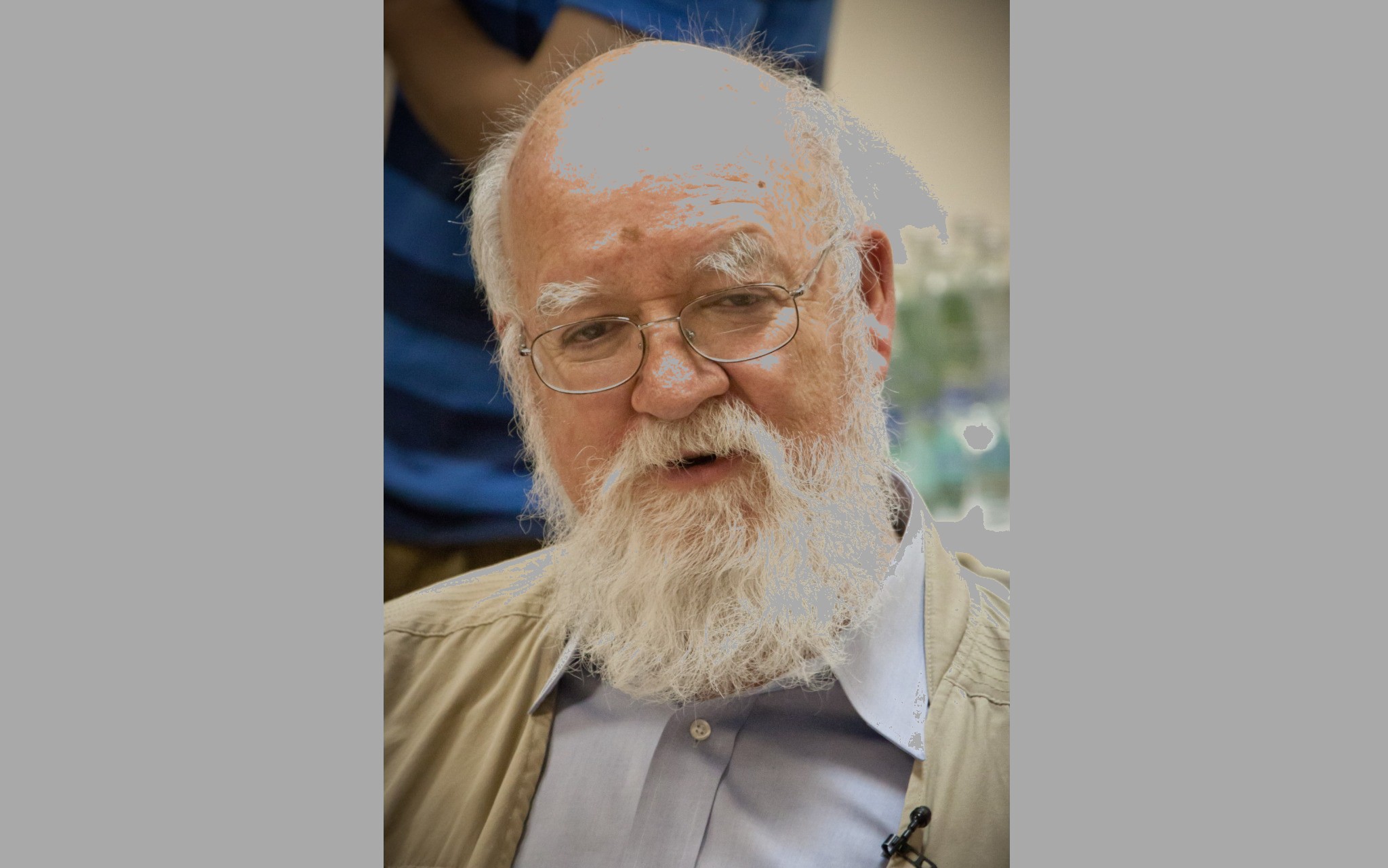
Daniel Dennett’s approach to artificial intelligence
Daniel Dennett warned against the dangers of deepfakes, highlighting how this technology can undermine public trust and spread misinformation. Extremely realistic AI-generated images and videos can confuse and manipulate public opinion, influencing democratic and social processes. Dennett compared the creation of counterfeit people to counterfeit money, a very serious crime, and he called for severe…
-

The impact of artificial Intelligence on human relationships and psychological wellbeing
The emergence of artificial intelligence has significant psychological and social impacts. In the workplace, it offers benefits such as automation and stress reduction, but it can also increase technostress. In the personal sphere, robots like Replika provide emotional support, but they raise questions about isolation and human empathy. Experts are divided. Some see AI as…
-

“Simplify” your work by using generative artificial intelligence
November 30, 2022 saw the release of the generative artificial intelligence model ChatGPT, which allows one to get quick responses with prompts. Its capabilities was subsequently extended to include images and videos, while new competitors appeared such as Copilot, Google Gemini, Claude and Firefly. These AI systems can save time by automating complex tasks in…
-

Biblio-theological reflections on artificial intelligence
Artificial intelligence is incapable of processing abstract models of reality, and it is incapable of having awareness. It should be seen as a robotic assistant rather than true intelligence. The distinction between weak, strong, and general AI is misleading because these technologies cannot consciously perceive and organise information. Drawing on biblical references, AI that strives…
-

What will happen to work? Automation, AI and Luddism
Luddism, both historic and modern, is about workers' resistance to automation that threatens the dignity of their work. Just like nineteenth-century Luddites destroyed farm machinery as a protest against industrialisation, modern "Luddites" in San Francisco have sabotaged driverless taxis. Technology can eliminate repetitive work, but it cannot reproduce the complexity of human work. This highlights…