


Tematica: Ethics, philosophy and bioethics
Tematica: Ethics, philosophy and bioethics
-

Trustworthy artificial intelligence
The increasing pervasiveness of artificial intelligence (AI) elicits contrasting reactions of fear and hope. It is necessary to develop solid ethics for AI that avoids both technological fatalism and uncritical trust. Human ethical principles such as beneficence, non-maleficence, autonomy, and justice are fundamental, but they may not be sufficient to address the unique challenges of…
-

AI and the alignment problem
In recent years, the conversation around artificial intelligence has taken a decidedly more serious turn, particularly regarding the possibilities and dangers associated with artificial general intelligence (AGI). One of the first metaphors encountered when discussing AI-related risks is Nick Bostrom’s “paperclip maximizer“. This hypothetical AI system, tasked with maximizing the production of paper clips, could…
-
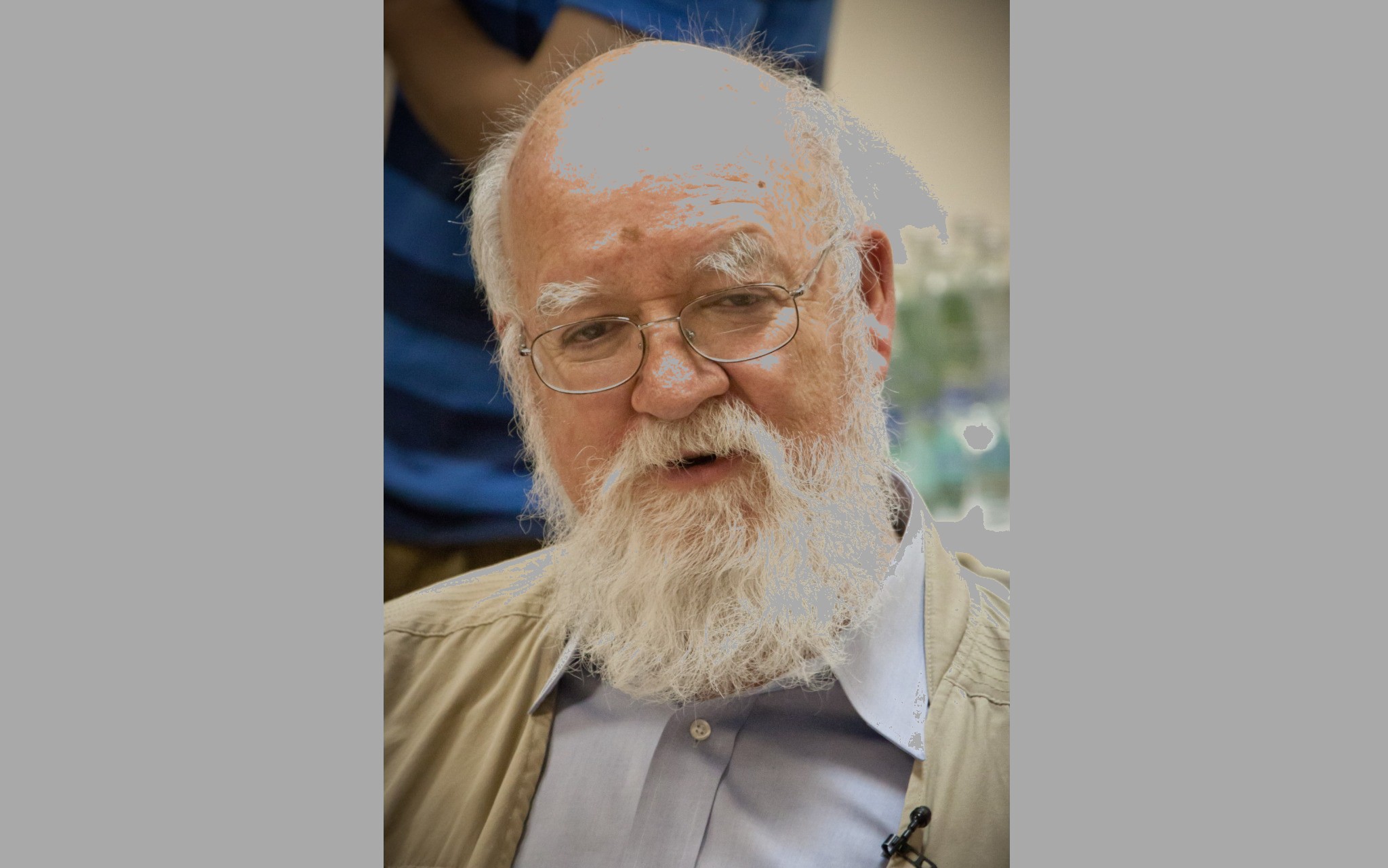
Daniel Dennett’s approach to artificial intelligence
Daniel Dennett warned against the dangers of deepfakes, highlighting how this technology can undermine public trust and spread misinformation. Extremely realistic AI-generated images and videos can confuse and manipulate public opinion, influencing democratic and social processes. Dennett compared the creation of counterfeit people to counterfeit money, a very serious crime, and he called for severe…
-

Biblio-theological reflections on artificial intelligence
Artificial intelligence is incapable of processing abstract models of reality, and it is incapable of having awareness. It should be seen as a robotic assistant rather than true intelligence. The distinction between weak, strong, and general AI is misleading because these technologies cannot consciously perceive and organise information. Drawing on biblical references, AI that strives…
-

What will happen to work? Automation, AI and Luddism
Luddism, both historic and modern, is about workers' resistance to automation that threatens the dignity of their work. Just like nineteenth-century Luddites destroyed farm machinery as a protest against industrialisation, modern "Luddites" in San Francisco have sabotaged driverless taxis. Technology can eliminate repetitive work, but it cannot reproduce the complexity of human work. This highlights…
-

Artificial intelligence is not afraid of chaos
That the world is more unpredictable than we would like is confirmed every time we go away for the weekend and find out that the weather forecast was…wrong. Since the birth of artificial intelligence (AI) in the summer of 1956 at Dartmouth College, Hanover, New Hampshire (USA), AI researchers have focused for decades on the…